Vietnam Travel Agent


You are planning to have a Cruise tour through many countries and also visit Vietnam during your tour; you are going to Vietnam via Seaport, this post is for you.
The Vietnam E-Visa application procedure is simple and can be completed online. However, for many reasons, many foreigners' Vietnam E-Visa applications are still rejected.
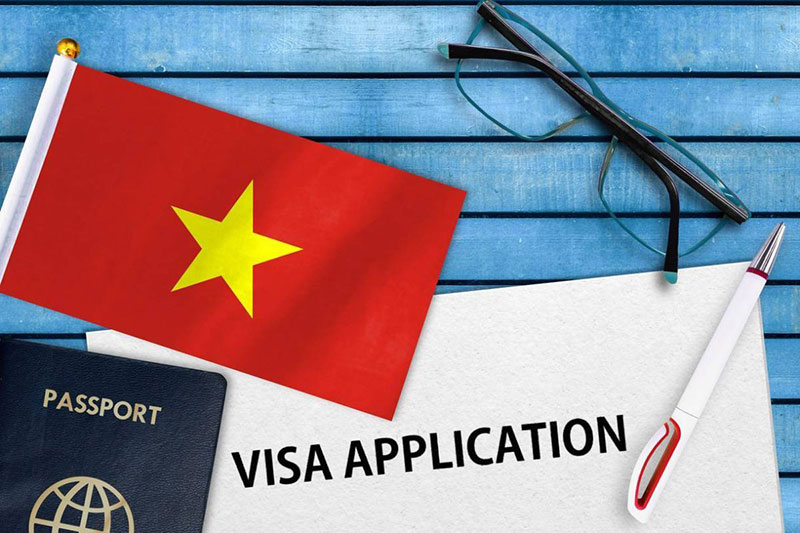
When planning a visit to Vietnam, obtaining the appropriate visa is essential. The Vietnamese government offers different types of Visas to serve the diverse needs of travelers. Find our some types of Vietnam Visas that may correspond to your specific choices in this post.
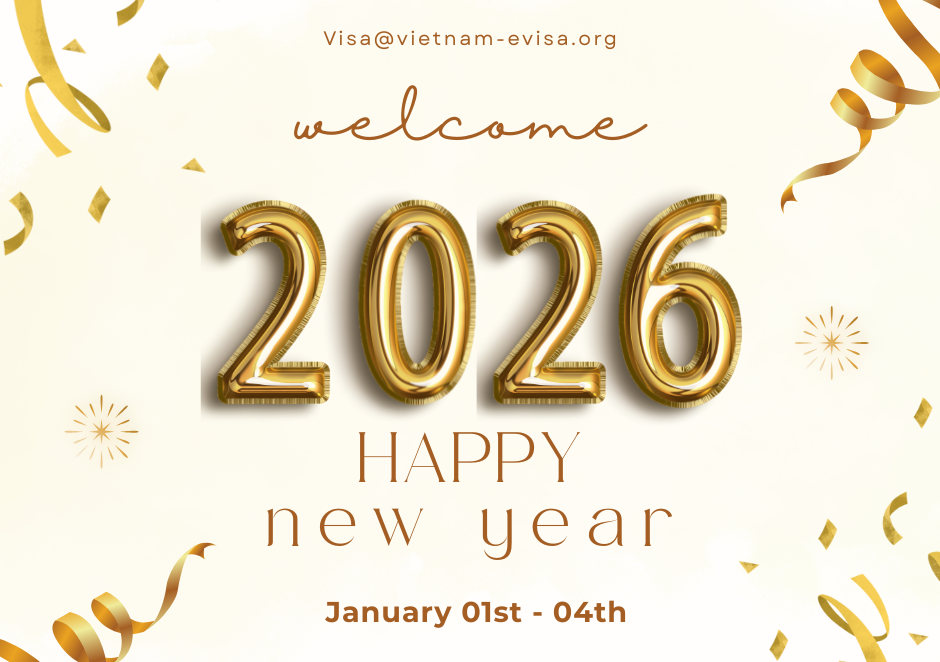
Vietnam will officially observe the New Year Holiday for 4 days, from January 1st to January 4th, 2026.
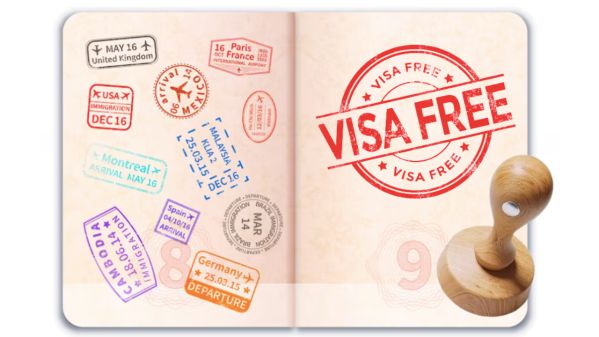
From August 15th, 2025, Vietnam has extended its Visa exemption country list. This post will give you some tips to use Vietnam Visa Exemption effectively.
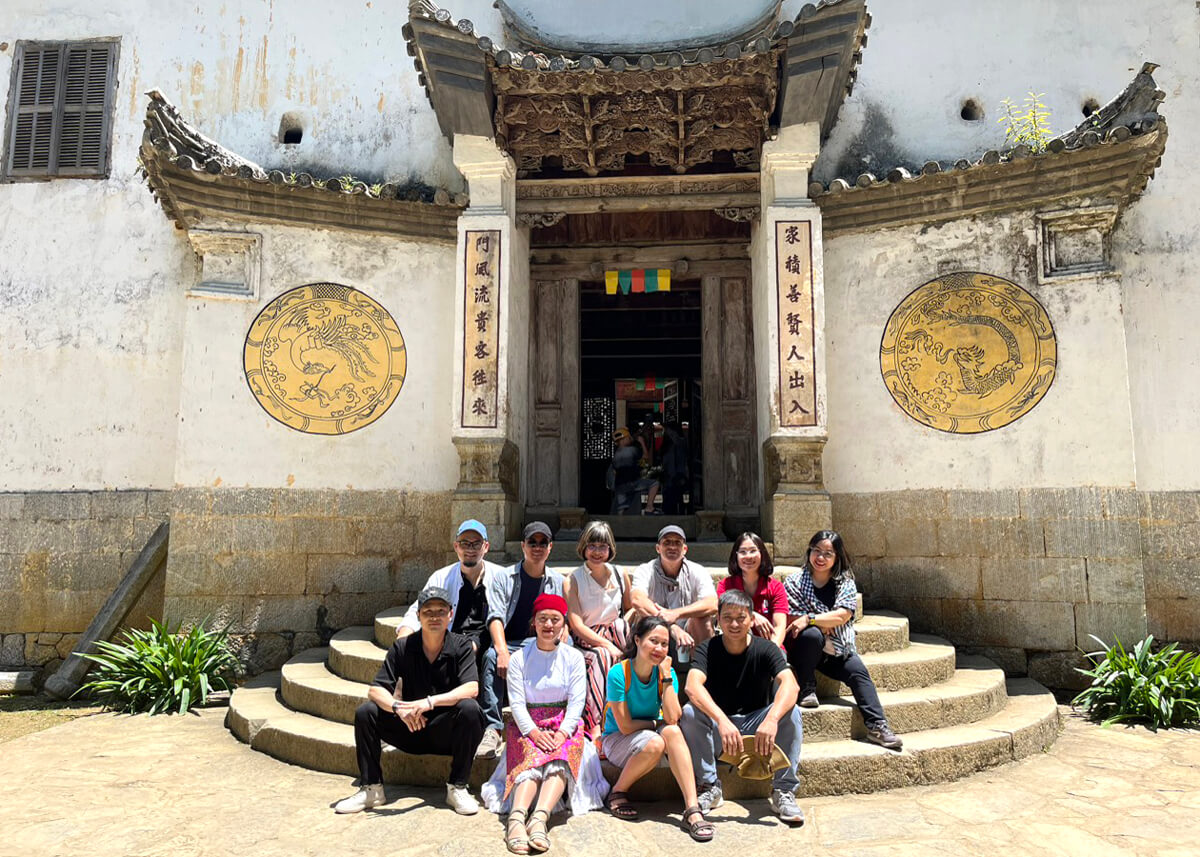
Vietnam's recent visa exemption policy has successfully ignited a surge in travel interest from Eastern European nations, according to data from the online travel platform, Agoda.
Navigating the Vietnam eVisa application process can be straightforward, but a few common mistakes can cause major issues, from a rejected application to being denied entry. To help ensure your trip goes smoothly, here's a look at some of the most frequent errors and how to avoid them.
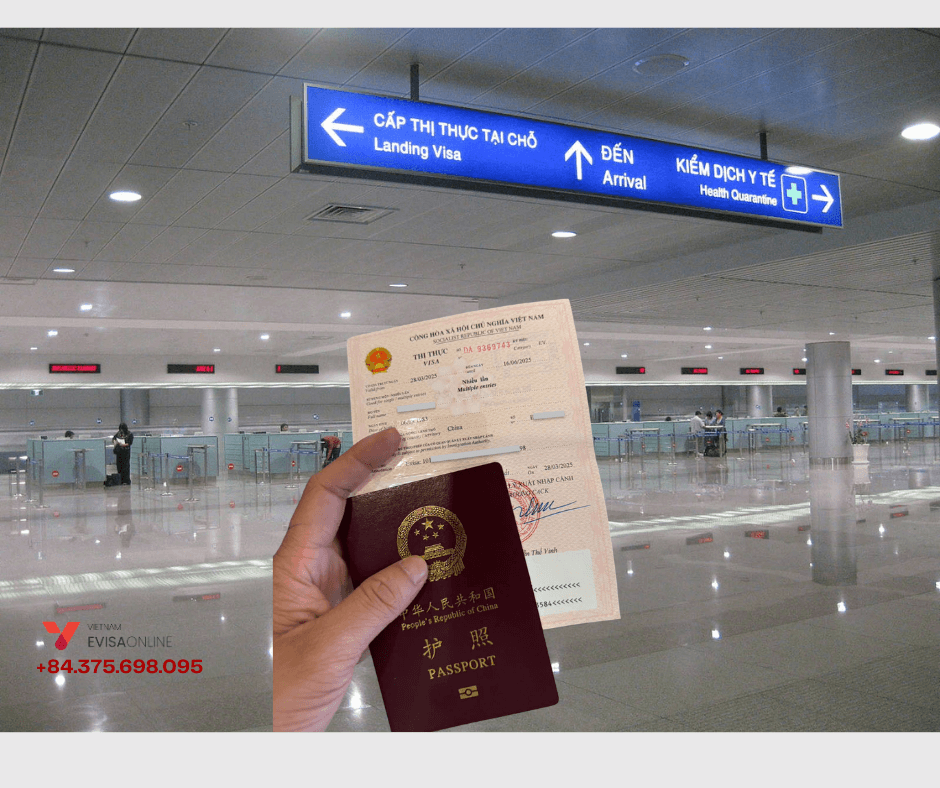
Chinese E-Passport holders are eligible to apply for a Vietnam E-Visa. This is generally considered the most convenient way for Chinese citizens to obtain a visa for Vietnam.
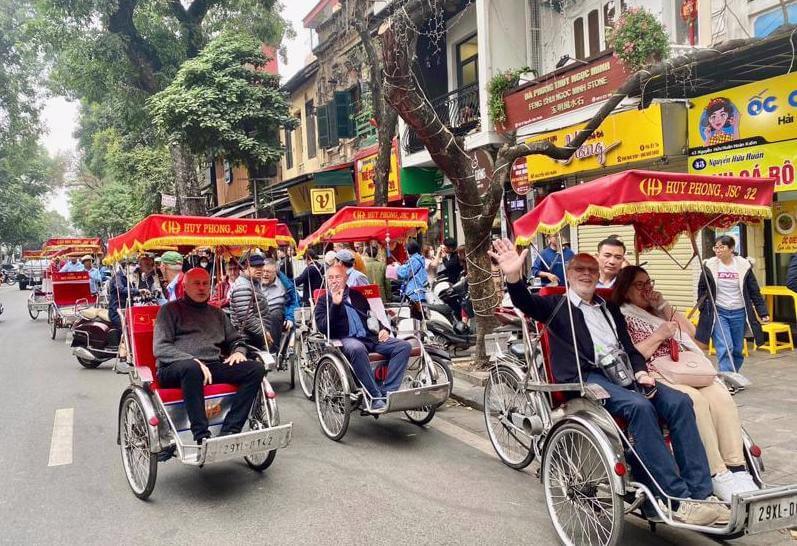
Vietnam will exempts visas for visitors from Poland, Czech Republic, and Switzerland starting March travelling on tours, according to Resolution No. 11/NQ-CP dated January 15, 2025.

Starting August 15, 2023, Vietnam has implemented a new electronic visa (e-visa) system for all nationalities. The sudden ease in travel convenience will bring a major boost to the country’s tourism and allied sectors, which have struggled to find pre-pandemic success in part due to bureaucratic regulations.




Copyright © 2002-2026 by VietnamEvisaOnline.Com. All rights reserved.
Thank you for choosing VietnamEvisaOnline.Com online services. Please be advised that we are independent organization and not affiliated to Government. Providing Vietnam visa applications online for travellers with purpose as tourist, study or business. We will implement a service fee for all applications related visa to Vietnam.
Once you use our services, we have a mission to handle visa applications in Vietnam Immigration Department and provide the legal services to you and on time. You can also obtain Vietnam visa by yourself at Vietnam Embassies in your living country or visit the official website for a lower price.
